"All the benefits of Village Living without the extra taxes!"
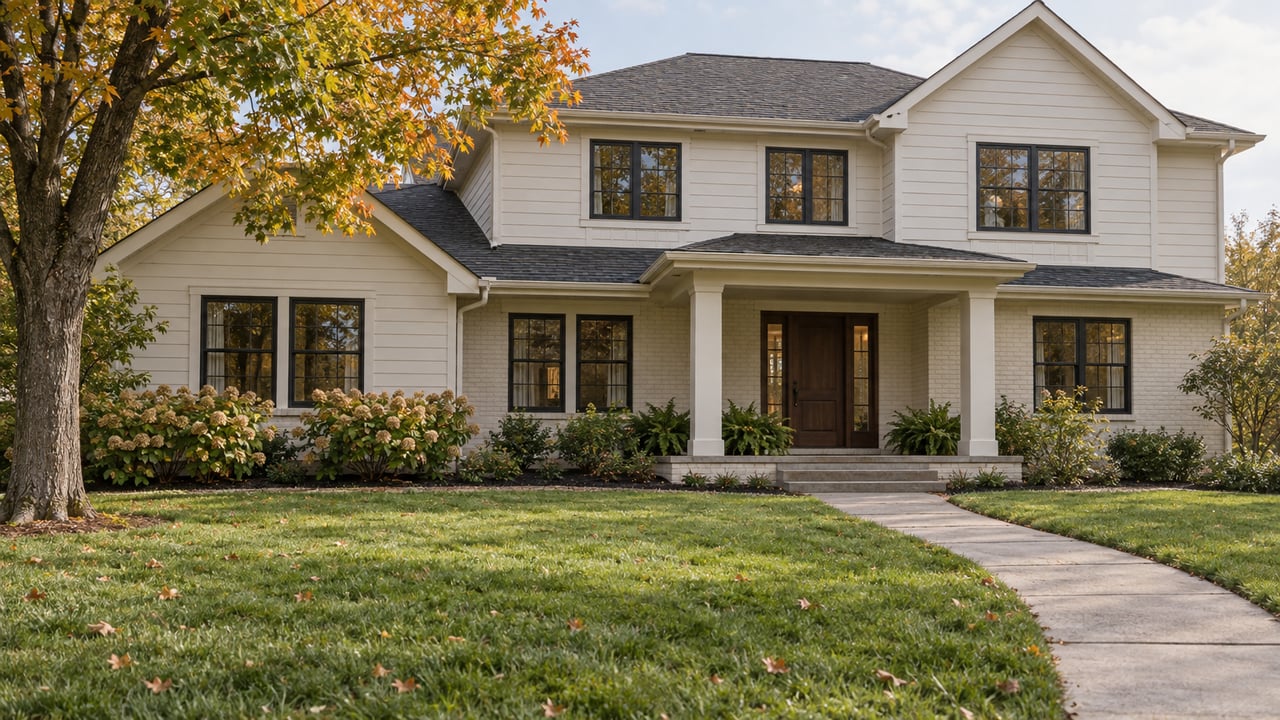
That line ran in the listing description for a 1958 ranch two blocks from Pittsford Farms Dairy, just outside the Village of Pittsford. Whoever wrote it wasn't selling square footage or a school district. They were selling a distinction, and they assumed the buyer already understood it well enough to want it.
Most people comparing homes in Pittsford start with one number: a median price pulled from whichever site they opened first. That number is accurate as far as it goes, but it treats Pittsford as a single market, and it isn't one. It's at least three, and the line between them is drawn on a municipal map most buyers never see until a tax bill or a closing statement puts it in front of them.
Three Different Products, One Town Name
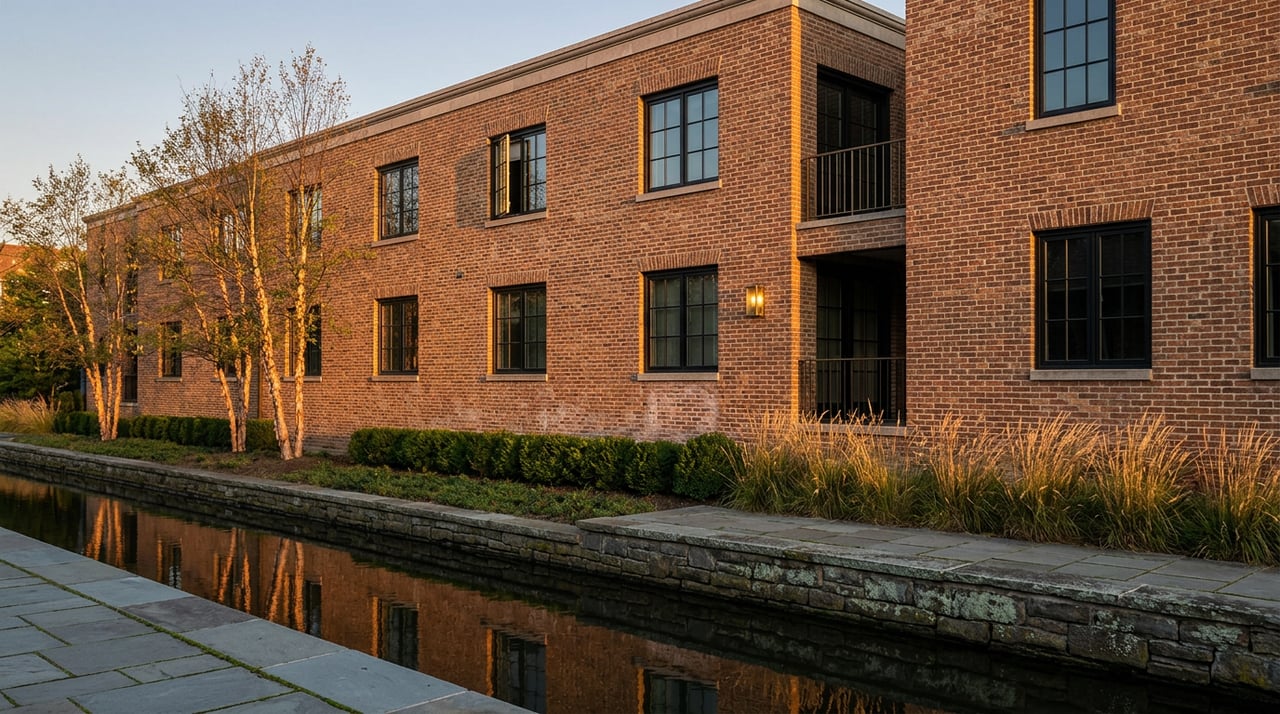
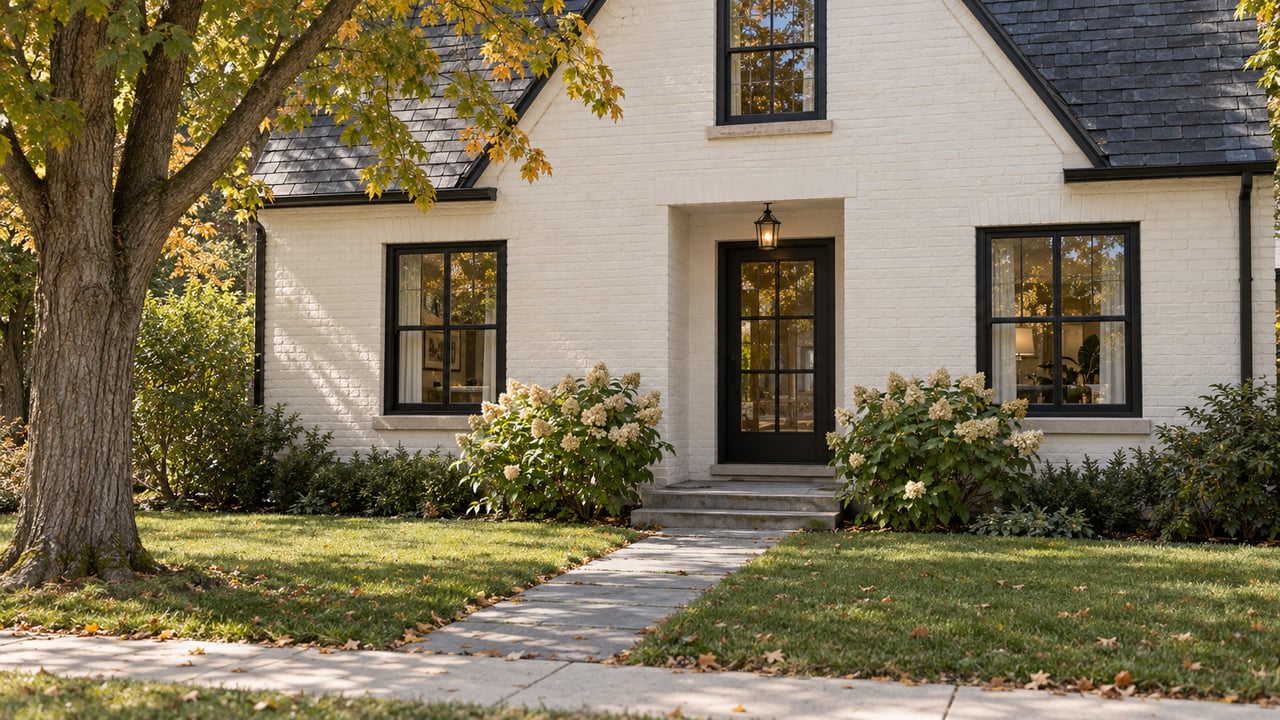
The historic Village of Pittsford is the part most people picture when they hear the name: walkable streets, Schoen Place along the canal, Pittsford Farms Dairy a couple of blocks off Main Street, homes built close together and close to the sidewalk. It's a small, incorporated municipality inside the larger Town of Pittsford, and it has its own government, which means it can and does levy its own village tax on top of what everyone else in town already pays for county, town, and school services.
Move a few blocks out and you're in the canal-adjacent middle ring: homes near the Erie Canal Nature Preserve, Lock 62, and Great Embankment Park, close enough to walk or bike into the village but sitting in the Town of Pittsford rather than inside village limits. No village tax here, but also no village address.
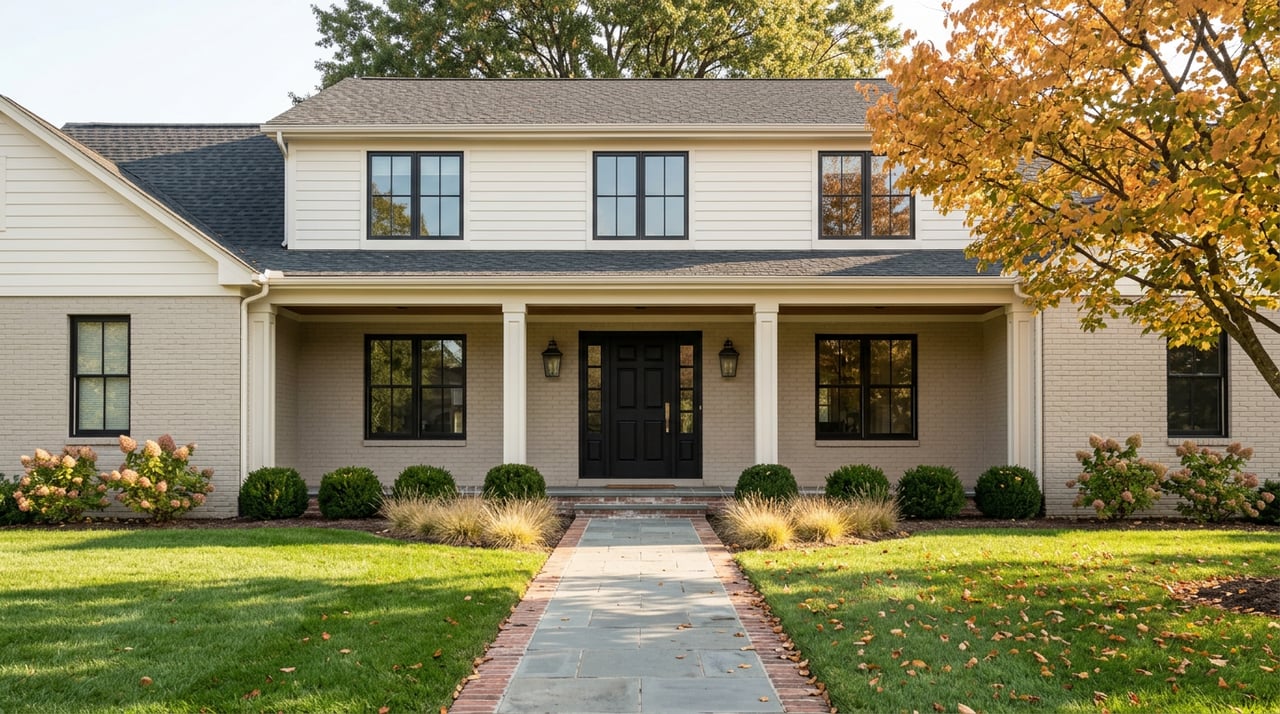
Keep going and you reach the outer-town corridors, places like Clover Street (Route 65), where recent sales range from a 1.7-acre parcel to a 3.4-acre one, and where custom construction, including an Aristo-built contemporary ranch that closed for $635,000 in December 2025, sits on private, wooded lots. This is a different kind of Pittsford entirely: land instead of walkability, custom-built square footage instead of century-old character, and a tax bill driven by acreage and house size rather than a municipal boundary.
Three zones, one town name, and a listing agent's job in each one is to tell you clearly which product you're actually buying.
| Zone | What you're paying for | Tax structure |
|---|---|---|
| Village of Pittsford | Walkability, historic character, proximity to Schoen Place and Main Street | Village tax layered on top of town, county, and school taxes |
| Canal-adjacent middle ring | Trail and canal access without full village walkability | Town rate only, no separate village levy |
| Outer-town / Clover Street corridor | Acreage, privacy, custom construction | High absolute tax driven by lot size and house size, not village designation |
What the Village Tax Actually Buys
The "no extra taxes" pitch only works because the village tax is real and buyers have started to notice it. A home inside the Village of Pittsford pays for its own municipal services on top of everything the Town of Pittsford already collects. A nearly identical home two streets away, outside the village line, skips that layer entirely while often keeping a similar commute to Main Street, similar school assignment, and a similar walk to the canal path.
That's the mechanism the ranch listing was pointing at. It wasn't claiming the home was in the village. It was claiming the home was close enough to feel like the village without carrying the village's tax structure, and it said so directly because sophisticated buyers in this market already ask.
Price data backs up why that distinction shows up in the market. In Redfin's most recent available neighborhood-level breakout for the Village of Pittsford, covering the twelve months into June 2025, the median sale price per square foot ran $280, with homes typically going under contract in about a week. Redfin's townwide snapshot for Pittsford in December 2025 put the per-square-foot median closer to $222, with homes selling in about eight days. Those are two different windows rather than a single moment, but the gap between a small, walkable core and the town at large has shown up consistently. More recently, as of May 2026, Zillow reported an average Pittsford home value of $525,618, Realtor.com listed a median asking price of $599,900 across 110 active listings with homes averaging 18 days on market, and Redfin's three-month closed-sale figure put the median at $707,000 with homes drawing about 12 offers on average. Zillow separately reported a median sale-to-list ratio of 1.105 in April 2026, with 79.7 percent of sales closing above list price, while Realtor.com put the average closing price at roughly 113 percent of asking in May 2026.
None of this means the village is objectively the better buy. It means the village and the rest of the town are different products with different cost structures, and a buyer who only compares closing prices without asking which side of the line a home sits on is comparing two things that aren't quite comparable.
The Other Side of Town Runs on a Different Logic
Clover Street shows the opposite mechanism at work. Property records show an average annual tax bill there running around $11,659, with an average lot size just over six acres and an average home built in 1966, though recent construction and renovation on the street runs newer and larger. That tax bill has nothing to do with village boundaries. Clover Street sits outside the Village of Pittsford entirely. The number is high because the parcels are large and the houses on them are large, not because a village government is billing separately.
That distinction matters for anyone comparing a $700,000 village listing to a $1.2 million Clover Street property and trying to reason about the numbers using the same framework. One price reflects a small, walkable lot with a village tax layer built in. The other reflects acreage, privacy, and custom square footage, with a town-only tax rate applied to a much bigger assessment. Pittsford's Greenprint program, which has protected more than 2,000 acres of open space through development-rights purchases, has helped keep pockets of the outer town looking and feeling this way rather than filling in with denser subdivisions, which is part of why land in these corridors holds its value even as the tax bill climbs with size.
What This Means Before You Compare Two Listings
A few questions are worth asking before anchoring on any single price:
- Is this home inside the Village of Pittsford, or just close to it? A few blocks can be the difference between paying for a municipal government and paying for a town-level rate.
- Is the appeal walkability, canal access, or land? Each of Pittsford's three zones sells a different version of "close to everything," and they aren't interchangeable.
- Does the tax bill reflect a village levy, or does it reflect lot size and square footage? Clover Street and the Village core can produce similar-looking tax numbers for entirely different reasons.
- Is the price-per-square-foot comparison happening within the same zone? Comparing a village cottage to an outer-town estate on a dollar-per-square-foot basis will always look strange, because they're not competing for the same buyer.
A Short FAQ
Does the village tax pay for services the town doesn't already provide? Village government in Pittsford handles its own municipal functions layered on top of what the Town of Pittsford provides, which is why homes inside the village boundary see a separate line on the tax bill rather than a higher rate applied to the same services.
If a home is walking distance to the village, is it automatically inside village limits? Not necessarily. The listing language that highlights "no village taxes" while advertising a short walk to Main Street exists precisely because proximity and village membership are two different facts, and a buyer has to check the boundary rather than assume it from the address.
Does a bigger lot always mean a bigger tax bill in Pittsford? Generally yes in the outer-town corridors, where acreage and house size drive the assessment. It's a different formula than the village, where the tax layer applies regardless of lot size, so a modest village cottage and a sprawling Clover Street property can land on surprisingly similar tax numbers through entirely different math.
Pittsford rewards buyers who know which of its three products they're actually shopping for, and it rewards sellers who can explain that distinction clearly to the right audience. If you're weighing a village cottage against a Clover Street acreage or trying to figure out what your own home's tax structure says about its position in this market, Renee DeMars can walk you through exactly where your address falls and what that means for pricing it right.